

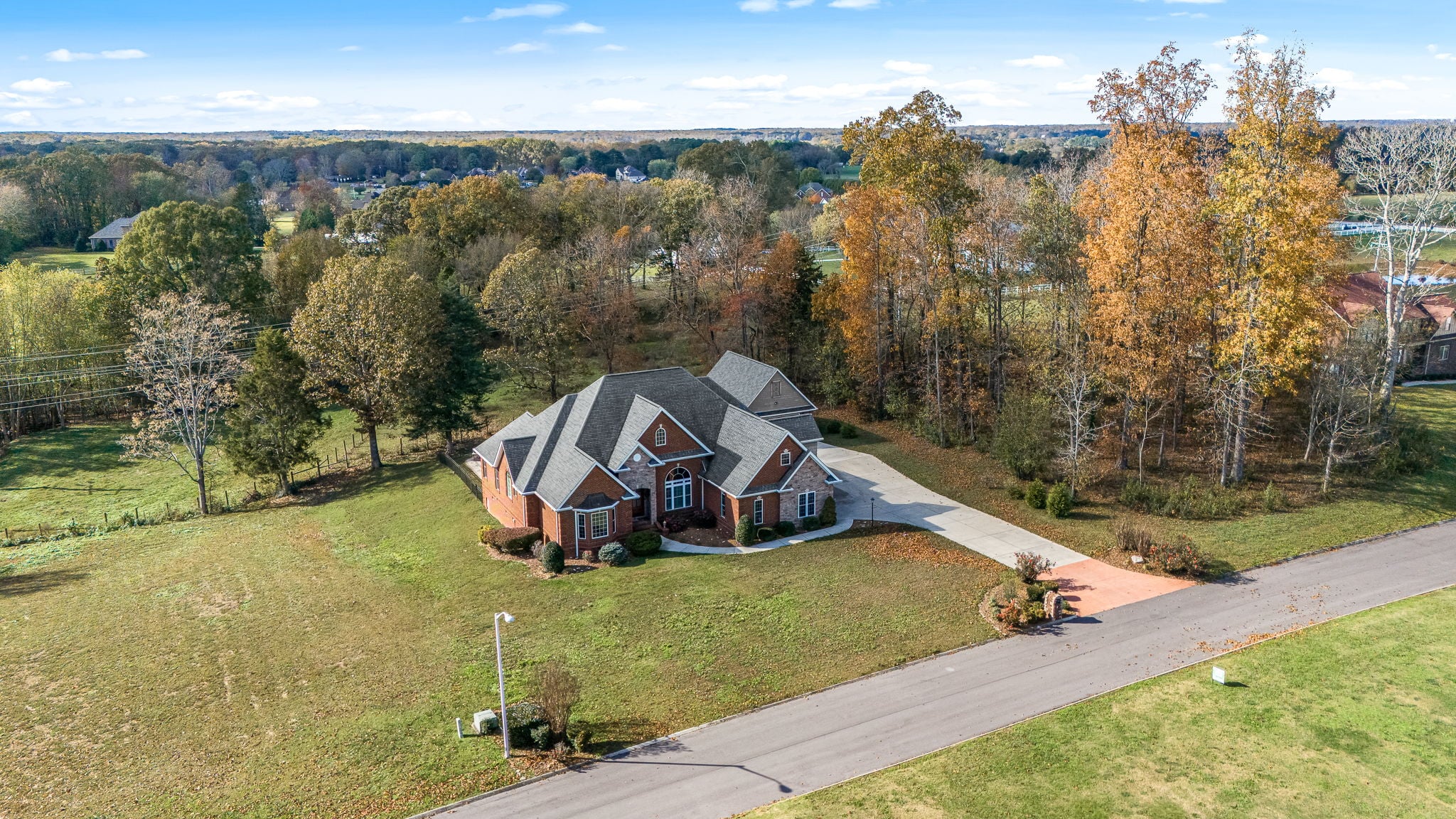

Tims Ford-area seller success story
How a Tims Ford Lake Home Went Under Contract in Less Than 24 Hours
When I began preparing a Tims Ford-area lake home for the market, the dock appeared to be one of the property’s strongest features. The available records did not fully establish the current permit status a careful buyer might ask about. That question changed how the listing needed to be prepared before it reached the market.
Lake property often carries value that depends on details beyond the house itself. Shoreline access, docks, steps, retaining walls, and other structures can influence a buyer’s interest. Their value also depends on what can be documented. When the paperwork is incomplete, a seller needs a plan that treats the uncertainty as part of the transaction.
The dock documentation shaped the listing plan
A structure that has been in place for years can still raise questions during a sale. Age alone does not establish its approval status. A prior owner’s explanation may also be incomplete if the current permit, approved drawings, or ownership transfer cannot be located.
The Tennessee Valley Authority’s shoreline permitting guidance explains that a facility described as grandfathered still needs a Section 26a permit. TVA also says that a change in property ownership requires a transfer request. Previously permitted facilities may qualify for grandfathering when they remain compliant with the original permit. The word “grandfathered” does not provide the entire answer by itself.
For this listing, the documentation question surfaced early enough to influence the marketing plan. The property had genuine appeal, and the dock was physically present. The information available on listing day still placed a limit on what could be represented with confidence.
That distinction matters because a seller’s marketing should match the records a buyer can review. It is reasonable for buyers, lenders, closing professionals, and their advisers to ask how a shoreline structure was approved and whether any required transfer has occurred. Giving them a clear description of the known facts helps them evaluate the property without depending on assumptions.
Pricing and disclosure had to tell the same story
The list price reflected both the property’s strengths and the unresolved documentation question. The goal was to position the home using the value that could be supported at the time. The listing language and transaction paperwork also addressed the dock issue so the buyer could make an informed decision.
The home went under contract in less than 24 hours and closed at the full list price. Those results belong to one property and one moment in the market. They do not promise the same outcome for another seller. They show what happened when the pricing, marketing, and available documentation were aligned.
A quick contract does not remove an unresolved property question. It can mean that the terms gave the buyer enough information to decide whether the property fit their plans. For the seller, the result was a clear path from listing to closing without presenting the dock’s status as settled before the supporting records were available.
This experience reinforced a practical point about lake-home pricing. A visible feature may attract buyers while its paperwork affects what they are willing to pay and how they structure an offer. The marketing should make room for both realities. Describing a feature enthusiastically does not replace verifying what can be transferred with the property.
What Tims Ford sellers should verify before listing
If your property includes a dock or another shoreline structure, begin gathering records before choosing a list price. Look for the original TVA permit, approved drawings, correspondence, transfer documents, and any records showing later repairs or alterations. The TVA Public Land Information Center advises prospective purchasers to ask the seller for a copy of the permit. A seller preparing for the market should expect that request.
Compare the structure that exists today with the documents you find. A permit for one configuration may not cover additions or later changes. The structure’s dimensions, location, use, and condition may all affect the questions that need to be answered. If the records are missing or inconsistent, contact TVA and obtain advice from an appropriate lake-property professional before making claims in the listing.
Allow enough time for that research to affect your decisions. Waiting until a buyer is already under contract can create pressure during inspections, financing, title review, or closing preparation. Starting earlier gives the seller more room to decide whether to pursue additional documentation, adjust the marketing, or account for uncertainty in the price.
It is also useful to separate three different questions. What shoreline features are physically present? What records can be produced for them? What conclusion has the appropriate authority reached? The answers may not arrive at the same time, and the listing should reflect the information available on the day it becomes active.
Before listing a Tims Ford Lake property, ask whether you can give a buyer the current permit and transfer record for every shoreline structure included in the sale. If the answer is unclear, address that uncertainty before the home is marketed.
If you are preparing to sell around Tims Ford Lake, explore my seller resources or contact me to discuss the property, its documentation, and the decisions that may affect its position in the market.