


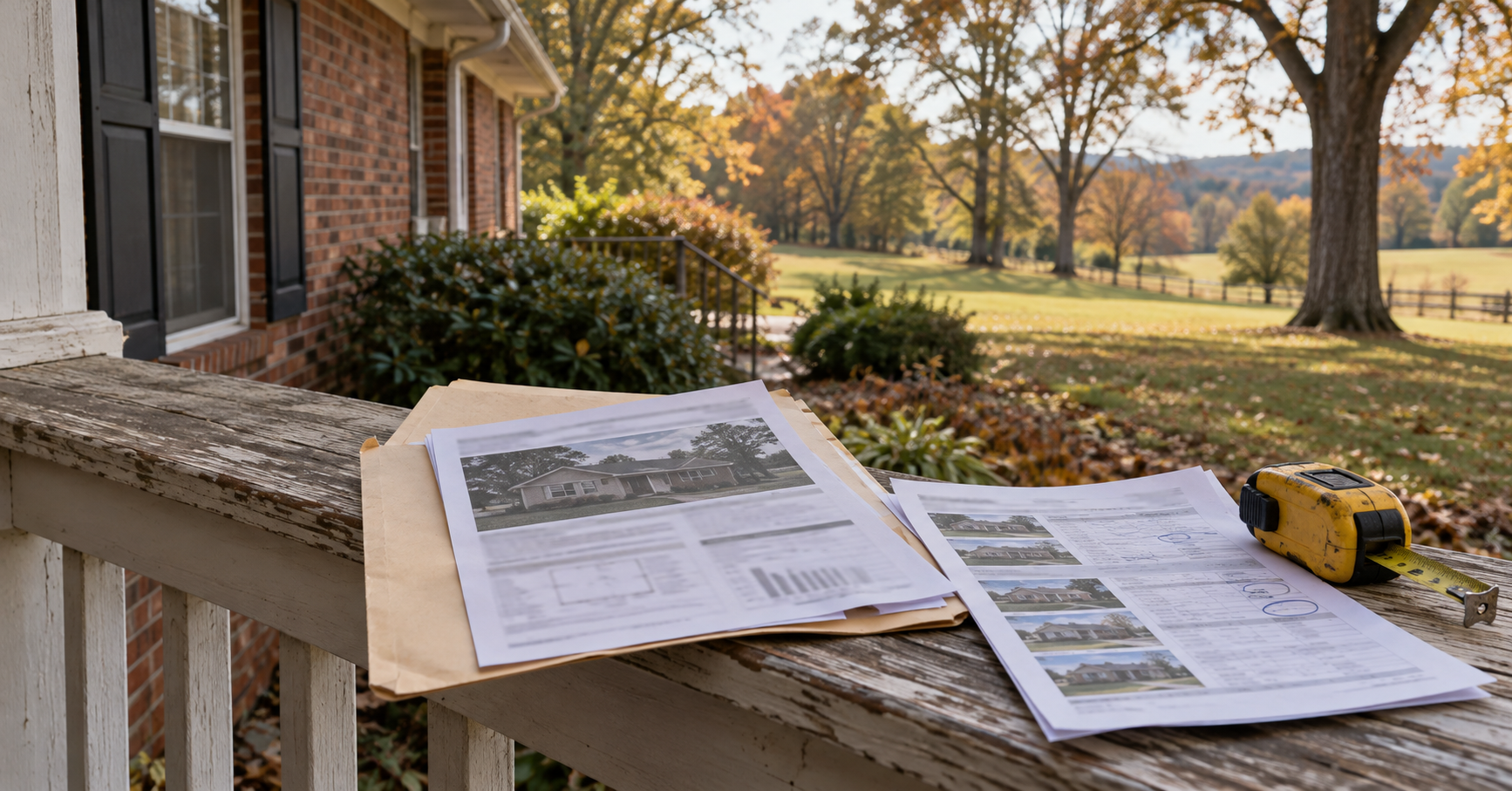
If you’ve borrowed against your home in the last year or two, there’s probably a number from the bank sitting in a folder in your kitchen. Then you start thinking about selling, you invite a few agents out, and their numbers come in lower. Sometimes $50,000 lower.
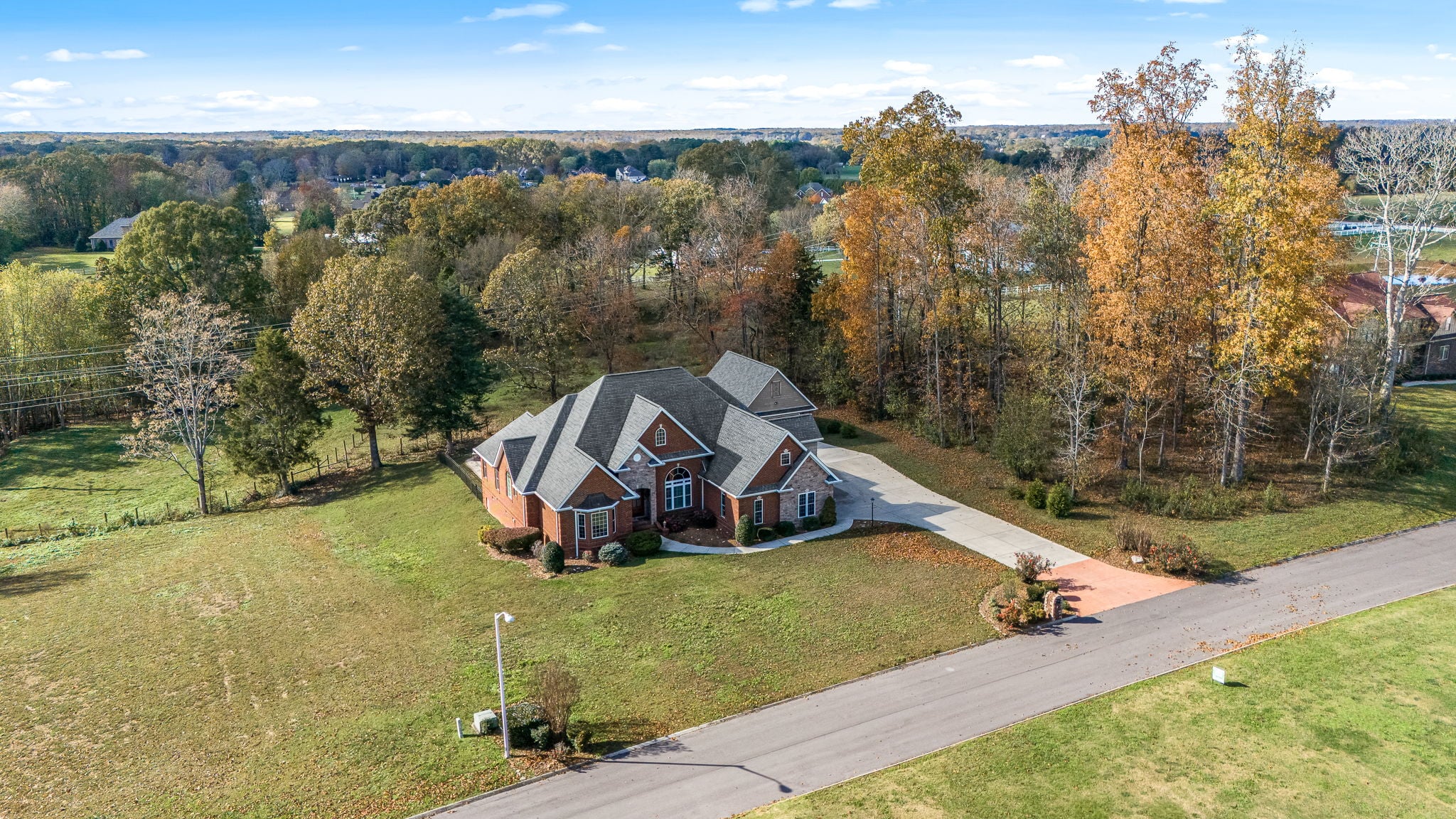
That’s where a homeowner in Franklin County was when I talked to him last week. A few months earlier, his lender had sent someone out to value the house for a home equity line of credit. Since then, a couple of agents and an auction company had walked through, and he told me they were coming in about $50,000 under the bank. His question was fair. What does the bank have to gain by overvaluing my house? And are the agents lowballing me so it sells fast?
I told him I wasn’t going to give him a number over the phone. I don’t feel comfortable pulling comps on a house until I’ve seen it, especially an older home on acreage where the public records don’t tell the whole story. His question still deserves an answer, though, because the bank and the agents were each answering a different question about his house.
What is a home equity appraisal checking?
A lender valuing your home for a HELOC wants to know whether there’s enough value in the house to cover what they’re lending you. That’s a collateral question. When the line of credit is small compared to what the house is worth, the bank’s number can miss in either direction and the loan is still covered. Nobody at the bank is asking whether a buyer would pay that price this winter.
How lenders get that number also varies. Some send an appraiser through the house, and that’s what happened in this case. Others use an exterior-only drive-by, a desktop review, or an automated valuation model that estimates value from public records and recent sales. Bankrate reports that more than 75 percent of HELOC and home equity loan originations now use an automated or desktop valuation, and most of those involve an exterior-only inspection or none at all.
That matters around here. In Estill Springs and Winchester, enough deals have been done on a paper bag on the hood of a pickup truck over the years that I don’t trust the square footage on a tax card until I’ve measured. I’ve walked into houses that were 200 square feet smaller or 400 square feet bigger than the records say. Any estimate built on those records carries the mistake with it. If you have a bank number, ask your lender which kind of valuation they used.
Why are agents’ prices coming in lower right now?
A listing price has to work for the buyers shopping today, at today’s interest rates, with every other house for sale in their search. Right now I’m seeing about 120 days on market for a normal house to sell in our area. There are houses in my own neighborhood in Tullahoma that have had birthdays on the market. I can comp those homes and tell you what they should be worth on paper. If a buyer won’t buy one at that price, it isn’t worth that price yet.
I learned this the expensive way with a lake house I listed. Every comp I pulled kept landing around $750,000. Her neighbors were telling her it was a million-dollar house, and she wanted to start higher, so we listed at $815,000. It sold for $615,000, and that was disappointing for both of us. I really believe that if we’d listed at $750,000, she would have walked away with more.
So when agents come in conservative, part of that is caution. Nobody wants to promise you a number, watch the market ignore it, and then come back months later to tell you it’s going to be $15,000 or $30,000 less. My own rule this season is to price about 3 to 5 percent under what I’m comping a house at. In my experience, the price cuts on a house that sits end up bigger than that.
What should you do when your two numbers don’t match?
Start with the paperwork you already have. If someone walked through for the bank, ask your lender for a copy of the appraisal report. It lists the comparable sales and the square footage the appraiser used, and you can hand it to every agent who comes out to see your house.
Then ask each agent to show you the sales behind their number: the homes, the dates they sold, and what the agent adjusted for. When a bank number and an agent number are $50,000 apart, the gap is sitting in those comps. In the cases I’ve seen, it comes down to which sales each person picked and how big they think your house is.
After that, the decision is about time. If you can sit on your house for a year, you can start higher and test the market, as long as you go in knowing the risk. When a seller wants to list above what I’m recommending, I’ll still take it if we’re within about 5 to 10 percent. I write my suggested price into the listing agreement so we both remember the conversation later. Nobody gets to say I didn’t tell you, including me.
I don’t know yet which number is closer for the homeowner I talked to. He told me he’d rather hear the real number than a sugarcoated one, and that’s what I’ll bring him once I’ve walked through the house and pulled comps from what I saw in person.
If you have a bank number and an agent number that don’t match on a home in Tullahoma, Estill Springs, Winchester, or anywhere in Coffee or Franklin County, send me both. I’ll come see the house, pull the sales, and show you where the gap is coming from. Request a home value consultation.